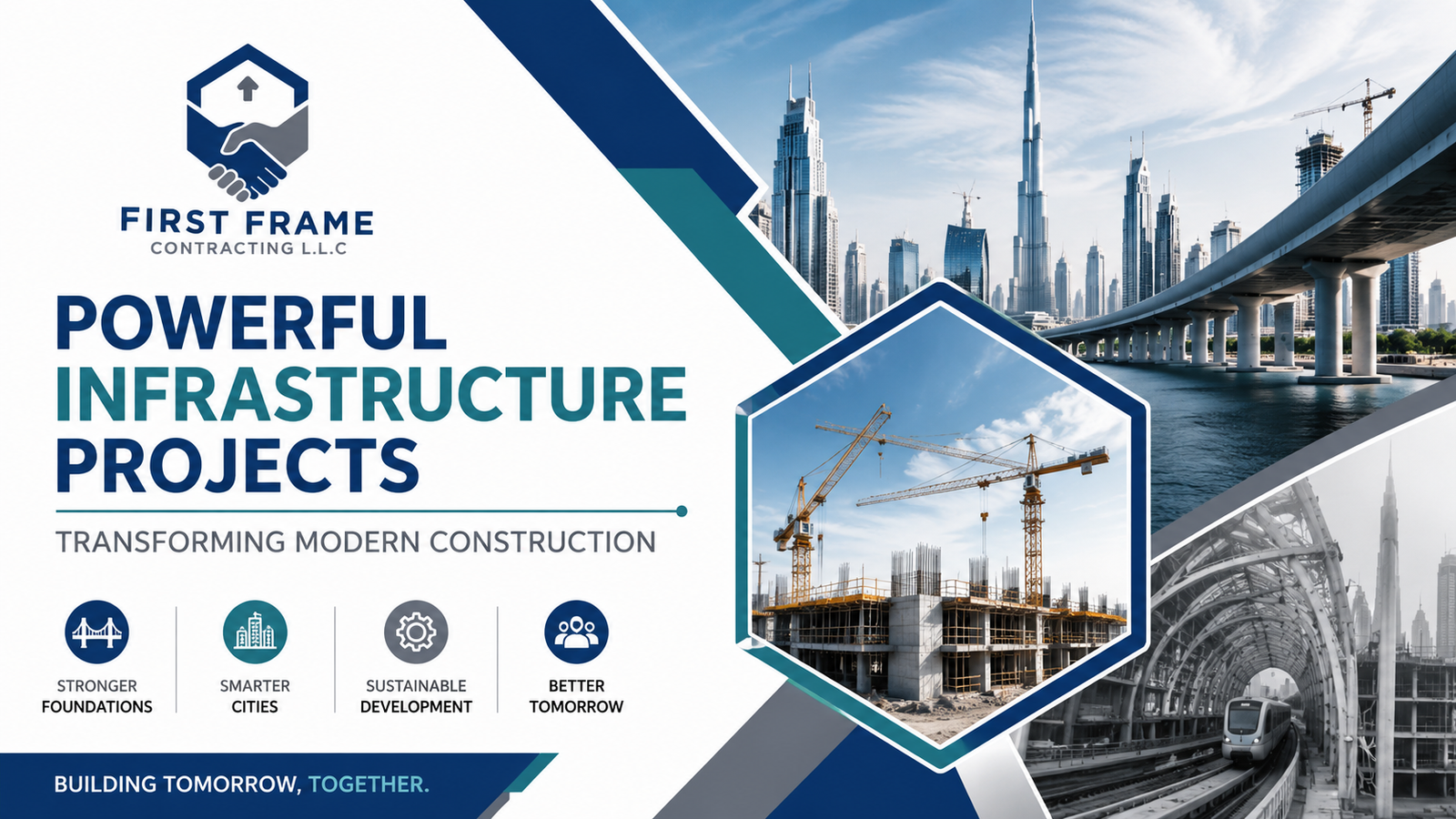
Every time you drive across a bridge, switch on a light, or take a metro to work, you’re relying on infrastructure projects that someone, somewhere, planned and built. These projects are the backbone of modern life, yet most people rarely stop to think about what goes into them or why they matter so much.
Whether you’re a homeowner curious about upcoming developments in your city, a business owner evaluating construction partners, or simply someone who wants to understand how nations grow, this guide breaks down everything you need to know about infrastructure projects — what they mean, why they matter, and where the world’s most exciting builds are happening right now.
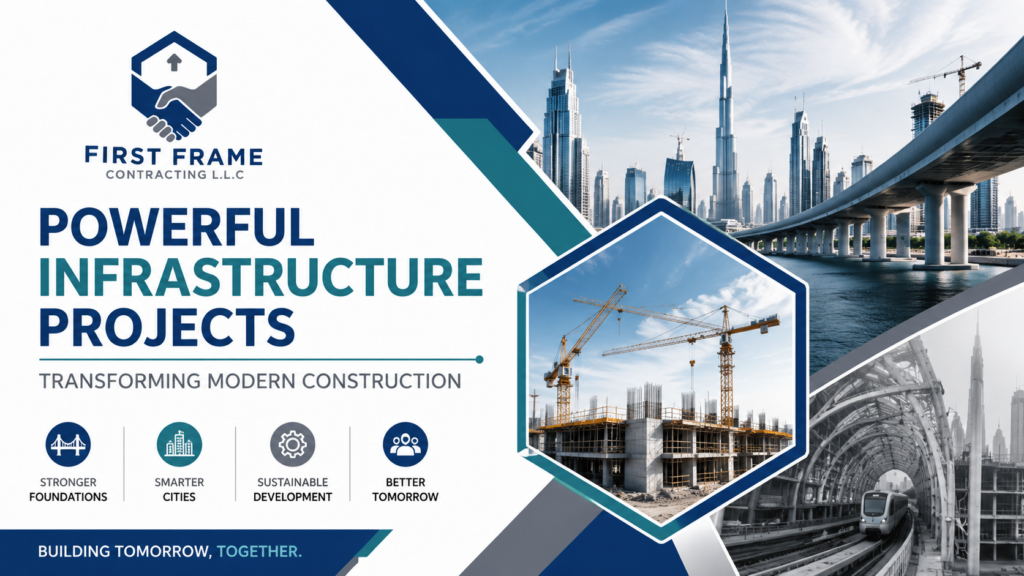
Infrastructure Projects Meaning: A Complete Overview
At its core, the term infrastructure projects refers to the planning, design, construction, and maintenance of physical systems that support a community or economy. This includes roads, bridges, airports, water supply networks, power grids, telecommunications systems, and public buildings.
Infrastructure projects generally fall into a few broad categories:
- Transportation infrastructure – highways, railways, airports, and ports
- Utility infrastructure – electricity grids, water treatment plants, and sewage systems
- Social infrastructure – schools, hospitals, and public housing
- Digital infrastructure – data centers, fiber networks, and smart city systems
- Commercial infrastructure – industrial parks, warehouses, and business districts
What makes infrastructure projects unique compared to typical construction work is their scale and long-term impact. A single infrastructure project can take years to complete and serve millions of people for decades afterward. This is why governments, private developers, and contractors invest so heavily in getting the planning phase right before breaking ground.
Why Infrastructure Projects Matter for Economic Growth
It’s not an exaggeration to say that infrastructure projects are directly tied to a country’s economic health. Here’s why:
They create jobs. Large-scale construction generates employment not just for engineers and laborers, but also for suppliers, transport companies, and support services.
They attract investment. Businesses are far more likely to set up operations in regions with reliable roads, power, and connectivity. Strong infrastructure signals stability and long-term viability.
They improve quality of life. Better roads mean shorter commutes. Reliable utilities mean fewer disruptions. Modern hospitals and schools mean healthier, more educated populations.
They boost trade. Ports, highways, and rail links reduce the cost and time of moving goods, which strengthens both domestic and international trade relationships.
This is precisely why nations across the globe — from the Gulf region to South Asia — continue to pour resources into ambitious infrastructure projects that reshape their skylines and their economies.
Dubai New Infrastructure Projects Shaping the Future
Few cities illustrate the power of infrastructure projects better than Dubai. Known for turning ambitious visions into reality, the emirate continues to roll out developments that redefine urban living.
Some standout areas of focus in Dubai’s ongoing infrastructure story include:
- Transportation expansion – Continued growth of the Dubai Metro network and road infrastructure to ease congestion and support the city’s rapidly growing population.
- Sustainable energy infrastructure – Major investment in solar power initiatives, positioning Dubai as a regional leader in clean energy.
- Smart city integration – Digital infrastructure that connects traffic systems, utilities, and public services, making daily life more efficient for residents.
- Industrial and logistics hubs – Expansion of industrial zones like Dubai Industrial City, which support manufacturing, warehousing, and contracting businesses.
For contractors and construction companies operating in the region, Dubai’s growth translates into consistent demand for reliable execution partners who understand both the technical and regulatory landscape. Companies looking to understand the broader construction ecosystem can explore more insights on the blogs page, which covers various aspects of the Dubai construction industry.
India’s Biggest Infrastructure Projects Worth Knowing
While Dubai showcases futuristic urban development, India offers a different but equally compelling infrastructure story — one built around scale and connectivity across a vast and diverse geography.
Some of India’s biggest infrastructure projects include:
- Expressway and highway networks connecting major metropolitan cities, significantly cutting travel time for goods and passengers.
- Metro rail systems expanding rapidly across cities beyond just Delhi and Mumbai, easing urban congestion.
- Port modernization projects aimed at boosting India’s position in global maritime trade.
- Renewable energy infrastructure, including large-scale solar and wind installations that support the country’s clean energy targets.
These projects highlight a common theme across large economies: infrastructure projects are rarely just about construction. They’re about connecting people, enabling trade, and preparing for future population growth.
Major Infrastructure Companies and Industry Leaders
The success of any infrastructure project depends heavily on the companies executing it. Around the world, there are established players known for handling large, complex builds — from engineering firms to specialized contractors.
In India, for example, companies like Alliance Infrastructure Projects Pvt Ltd operate within the infrastructure and real estate development space, contributing to the broader conversation around organized, professional project execution. Mentioning such companies helps illustrate how varied the infrastructure industry is — spanning residential development, commercial construction, and large public works, often within the same regional market.
Understanding how established players operate can help businesses and clients set realistic expectations when evaluating contractors for their own projects, whether that’s a small commercial build or a large-scale development.
Key Challenges in Modern Infrastructure Projects
Despite their importance, infrastructure projects come with real challenges that planners and contractors must navigate carefully:
Budget overruns. Large projects often face cost escalations due to material price fluctuations, labor shortages, or design changes mid-project.
Regulatory approvals. Navigating permits, zoning laws, and environmental clearances can slow down timelines significantly.
Supply chain disruptions. Delays in material delivery, especially for specialized components, can stall progress.
Sustainability requirements. Modern infrastructure projects increasingly need to meet environmental standards, which requires additional planning and sometimes higher upfront costs.
Skilled labor shortages. Finding experienced project managers, engineers, and skilled tradespeople remains an ongoing challenge in fast-growing construction markets.
Successfully managing these challenges requires experienced teams who understand both the technical demands and the practical realities of executing large-scale builds.
How First Frame Contracting Supports Infrastructure Development in Dubai
As a full-service construction and contracting company based in Dubai Industrial City, First Frame Contracting L.L.C plays an active role in supporting the region’s ongoing infrastructure and construction needs. From commercial builds to supply-driven projects, the company combines hands-on contracting expertise with a growing product supply arm, reflecting the evolving demands of Dubai’s construction sector.
Businesses looking for a reliable contracting partner can learn more by visiting the About Us page to understand the company’s background, or explore the full range of offerings on the Our Services page.
For readers interested in related construction insights, two useful reads are available: an overview on target engineering construction practices and a guide covering what makes a top construction company in Dubai.
Future Trends in Infrastructure Projects
Looking ahead, several trends are shaping how infrastructure projects will be planned and executed going forward:
- Green building materials are becoming standard rather than optional, driven by sustainability regulations and client demand.
- Modular and prefabricated construction is speeding up project timelines while reducing on-site waste.
- AI-assisted project planning is helping teams predict delays and manage resources more efficiently.
- Smart infrastructure integrating IoT sensors for real-time monitoring of roads, bridges, and utility systems is gaining traction globally.
These shifts point toward a construction industry that’s not just building bigger, but building smarter.
Frequently Asked Questions
What is the meaning of infrastructure projects?
Infrastructure projects refer to the planning, construction, and maintenance of essential physical systems such as roads, utilities, and public buildings that support economic and social activity.
Why are infrastructure projects important?
They drive economic growth by creating jobs, attracting investment, improving daily life, and enabling trade and transportation.
What are some examples of Dubai’s new infrastructure projects?
Recent focus areas include metro expansion, renewable energy initiatives, smart city systems, and industrial zone development.
What makes India’s infrastructure projects significant globally?
Their scale and diversity — spanning highways, metro systems, ports, and renewable energy — make India a major case study in infrastructure-led growth.
How do I choose a reliable contractor for an infrastructure or construction project?
Look for companies with proven experience, transparent processes, and a strong understanding of local regulations, such as established contractors operating in Dubai’s industrial and commercial sectors.
Final Thoughts
Infrastructure projects shape the way we live, work, and move — often in ways we don’t fully notice until we experience their absence. From Dubai’s forward-thinking developments to India’s expansive nationwide builds, these projects reflect a shared global priority: building systems that support people for generations to come.
If you’re planning a construction or contracting project in Dubai and want a team that understands both the technical and practical sides of infrastructure development, reach out to First Frame Contracting L.L.C through the Contact Us page or visit the homepage to learn more about their full range of services.